IPO
(The Art Of Investing 1, The Art Of Investing 2, The Art Of Investing: The Series, these are direct links to my previous series)
Imagine your neighbourhood’s favourite nyama choma joint. Every weekend it is packed. Customers are spilling onto the pavement, boda bodas are lined up waiting for deliveries, and the owner is already thinking bigger.
One day he announces:
“Ladies and gentlemen, instead of borrowing more money from the bank, I’m giving you a chance to own a piece of this business.”
Congratulations. He has just introduced you to the idea behind an Initial Public Offering (IPO).
If you’ve ever wondered what an IPO is, why investors become so excited whenever one is announced, or why movies like The Wolf of Wall Street made IPOs look like winning the lottery, then grab a cup of tea (or coffee if you’re one of those finance students surviving on four hours of sleep). Let’s talk.
What Is an Initial Public Offer (IPO)?
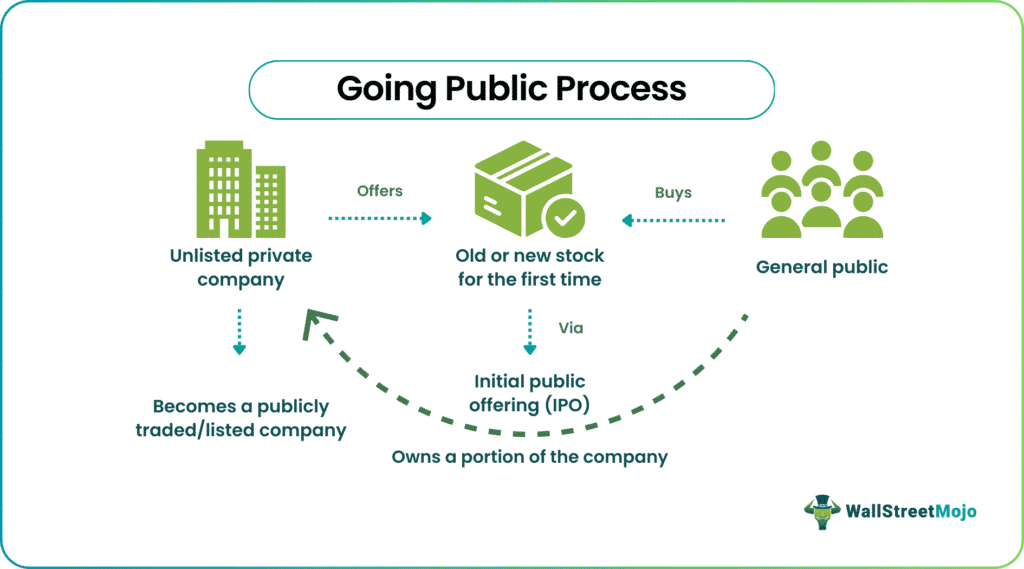
An Initial Public Offer (IPO) is the first time a private company sells its shares to the public through a stock exchange.
Before an IPO, ownership is usually limited to founders, family members, venture capitalists and early investors.
After an IPO?
Anyone with a brokerage account can become a shareholder.
Think of it this way.
Imagine your family owns a successful dairy farm. Until now, only family members share the profits.
One morning your father announces,
“We’re now selling part of the farm to the public.”
Your neighbour buys shares.
Your former mathematics teacher buys shares.
Even your cousin who spends half his salary on sneakers buys shares.
They now become part owners of the business.
That is essentially what happens during an IPO.
Why Would a Company Sell Part of Itself?
At first glance, it sounds strange.
“If the business is doing well, why would the owner give away ownership?”
Good question.
Businesses need money to grow.
Perhaps they want to:
- Open new branches
- Build factories
- Invest in technology
- Expand into new countries
- Pay off expensive debt
Instead of borrowing billions from banks and paying interest for years, they raise capital from investors.
The investors receive ownership.
The company receives cash.
It’s a win-win—provided the company uses the money wisely.
The Kenyan Context
Kenyans have witnessed several memorable IPOs.
Many people still remember the Safaricom IPO in 2008.
Queues formed at banks.
Friends called friends.
Relatives suddenly became “investment advisors.”
People who had never opened the Business section of a newspaper were discussing price multiples as though they worked on Wall Street.
The excitement was real.
For many Kenyans, the Safaricom IPO was their first encounter with the stock market.
Some investors made good returns over time.
Others expected overnight riches and were disappointed when reality reminded them that investing is a marathon, not a 100-metre sprint.
That lesson remains relevant today.
Why Investors Love IPOs
There is something psychologically exciting about buying a company at the beginning of its journey as a publicly traded business.
It’s similar to discovering your favourite musician before everyone else does.
If the company performs well over the years, early investors often benefit from rising share prices and dividends.
Companies such as Google, Apple and Amazon all had IPOs.
Imagine buying shares in those companies decades ago and simply holding them.
Today, many of those early investors would hardly remember what financial stress feels like.
Of course, hindsight is the world’s greatest investment advisor.
But IPOs Are Not Free Money
This is where many beginners make a costly mistake.
Some people hear “IPO” and automatically think,
“This one can only go up.”
The market has a funny sense of humour.
Sometimes a company lists successfully.
Sometimes the price falls immediately after listing.
Sometimes it remains flat for years.
Buying an IPO is a bit like attending a wedding.
Everyone is dressed nicely.
The speeches are inspiring.
The photographer only captures the smiles.
Nobody knows what the marriage will actually look like five years later.
An IPO is the beginning of a company’s public journey—not the guarantee of investment success.
The Wolf of Wall Street and the IPO Craze
If you’ve watched The Wolf of Wall Street, you probably remember Jordan Belfort selling stocks with the enthusiasm of someone convincing you that boiled eggs cure heartbreak.
One major part of the movie revolves around small-company IPOs, often called “penny stock IPOs.”
These companies would go public with very little public information available.
Belfort’s brokerage would aggressively persuade investors that these companies were “the next big thing.”
Demand increased.
Prices skyrocketed.
Then insiders quietly sold their shares at inflated prices.
The ordinary investor was left holding expensive shares that quickly lost value.
This practice became known as a pump-and-dump scheme, and it is illegal.
The film is entertaining, but it also teaches one of investing’s most valuable lessons:
Never buy an investment simply because someone sounds confident.
Confidence is not evidence.
Charisma is not due diligence.
A loud salesperson can still sell a terrible investment.
So How Should You Evaluate an IPO?
Instead of asking,
“Will everyone buy this?”
Ask questions like:
- Is the company consistently profitable?
- How will it use the money raised?
- Does it have a competitive advantage?
- Is management trustworthy?
- Is the IPO price reasonable?
- What risks are disclosed in the prospectus?
Professional investors spend days—sometimes weeks—studying these questions before investing.
Retail investors should not spend less time simply because the advertisement looked attractive.
IPOs and Human Nature
Interestingly, IPOs reveal something deeper than finance.
They reveal human psychology.
When everyone around us is buying, we feel pressure to join.
When social media says,
“This stock is going to the moon!”
our brains quietly whisper,
“Don’t be left behind.”
Economists call this herd behaviour.
Investors call it FOMO.
Either way, it has emptied many wallets.
Successful investors learn to separate excitement from analysis.
The market rewards patience far more often than excitement.
Final Thoughts
An Initial Public Offer (IPO) is one of the most fascinating events in the investing world.
It marks the moment a private company invites ordinary people to become part owners of its future.
Sometimes IPOs create enormous wealth.
Sometimes they disappoint.
The difference usually lies not in the excitement surrounding the listing but in the quality of the underlying business.
As The Wolf of Wall Street subtly reminds us, stories can sell stocks—but only strong businesses create lasting value.
So the next time you hear that a company is “going public,” don’t rush to invest simply because everyone else is talking about it.
Read.
Research.
Ask difficult questions.
Because in investing, buying the right company matters far more than simply buying the newest one.
Frequently Asked Questions (FAQs)
Is an Initial Public Offering (IPO) a good investment?
It can be, but not every IPO performs well. Evaluate the company’s financial health, growth prospects, management, valuation and risks before investing.
Can Kenyans invest in an IPO?
Yes. As long as the IPO is available through the Nairobi Securities Exchange (NSE) or through an eligible international brokerage, Kenyan investors can participate, subject to the offer’s requirements.
What happens after an IPO?
Once listed, the company’s shares begin trading on the stock exchange. Their price then fluctuates based on investor demand, company performance and broader market conditions.
Is an IPO the same as buying shares on the stock market?
Not exactly. During an IPO, you’re buying newly issued shares from the company. After listing, most trading happens between investors in the secondary market.