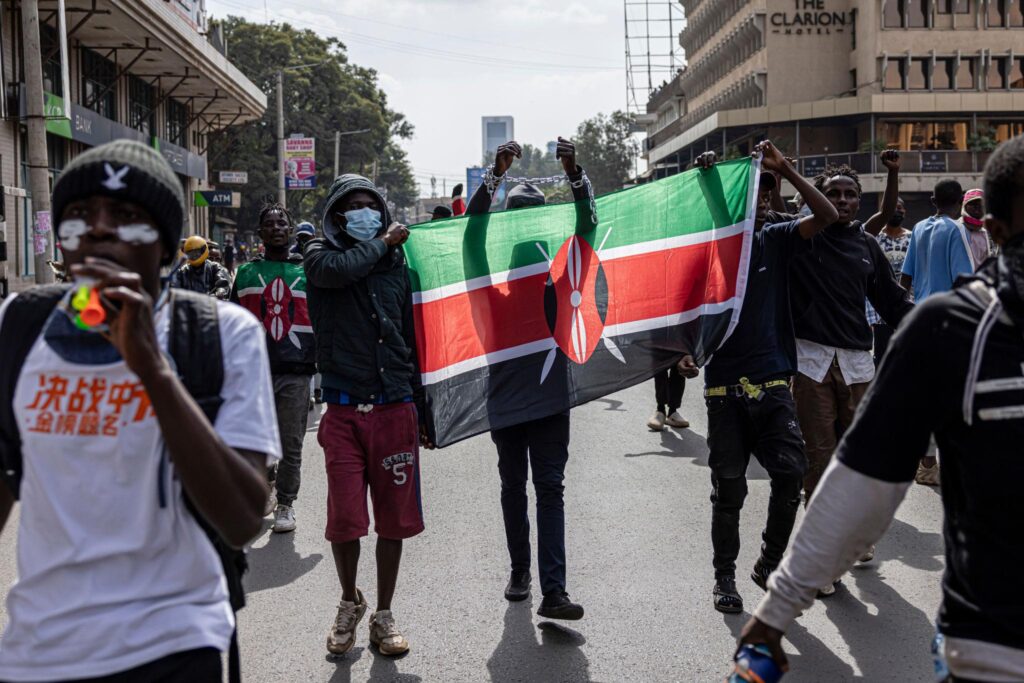
Peaceful Protests Are Becoming Part of Kenya’s DNA
There was a time when the word maandamano would instantly make people think of politicians shouting into microphones mounted on dusty pickup trucks. These days, however, protests have evolved into something much bigger. From the 2024 Finance Bill demonstrations to the 2025 protests and now the recent fuel-related demonstrations, Kenyans have repeatedly shown that they are willing to leave their comfort zones and stand up for what they believe in.
And honestly? That is not a bad thing.
A healthy democracy is not measured by how quiet its citizens are. It is measured by whether people can express their frustrations openly, peacefully, and without fear.
In many ways, peaceful protests have become part of modern Kenyan culture. They are our national feedback form. When wananchi feel unheard, they do not submit a customer service ticket; they hit the streets.
The Most Kenyan Gathering You’ll Ever See
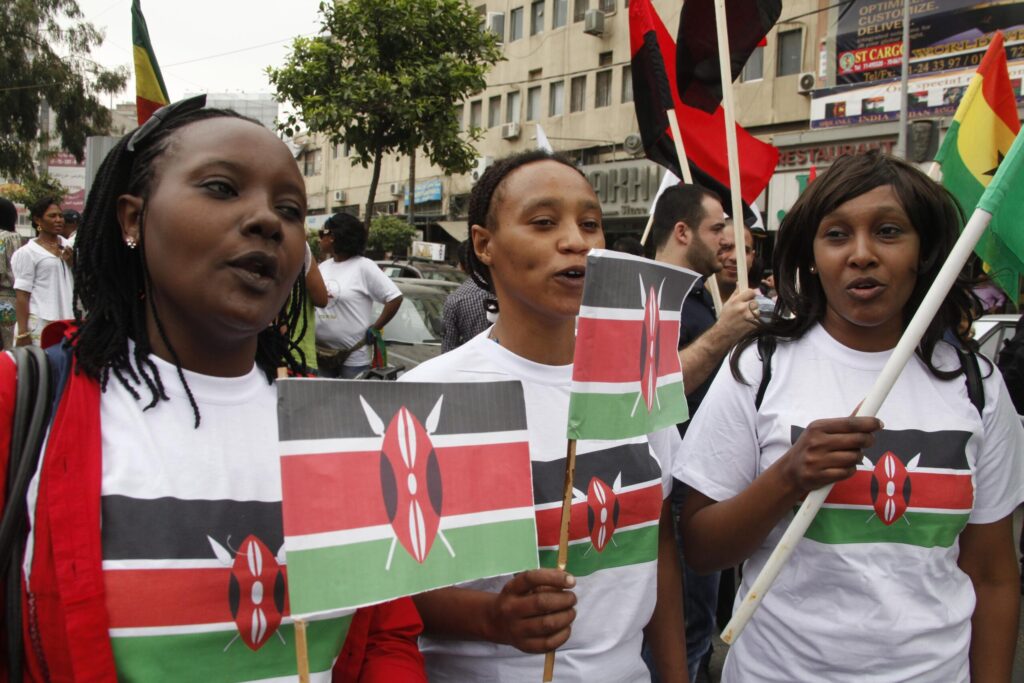
One of the most beautiful things about recent protests is the diversity of people who show up.
You will find:
- Gen Z activists livestreaming everything on TikTok.
- The millennial carrying both a protest sign and a tube of Colgate.
- Mama mboga who has spent years feeling the pinch of rising costs.
- Chude genje who arrived in designer sneakers but is passionately discussing public finance. “As in ni mbayaaa”
- The baddies who somehow manage to look runway-ready while walking several kilometres.
- University students.
- Professionals.
- Small business owners.
For a few hours, social classes disappear.
The protest grounds become one giant Kenyan family meeting.
The only thing more diverse than the crowd is the collection of placards. Some are deeply intellectual. Others deserve permanent exhibition in a national museum of Kenyan humor.
No one weaponizes comedy quite like Kenyans.
Peaceful Protest Is Patriotic
There is a misconception that protesting means you hate your country.
Nothing could be further from the truth.
The people who take time to peacefully protest often do so because they care deeply about Kenya. They want a better economy. Better governance. Better opportunities. Better accountability.
You do not spend hours under the Nairobi sun because you do not care.
You do it because you do.
Patriotism is not blind loyalty. Patriotism is wanting your nation to live up to its potential.
And Kenya has enormous potential.
The Teargas Problem
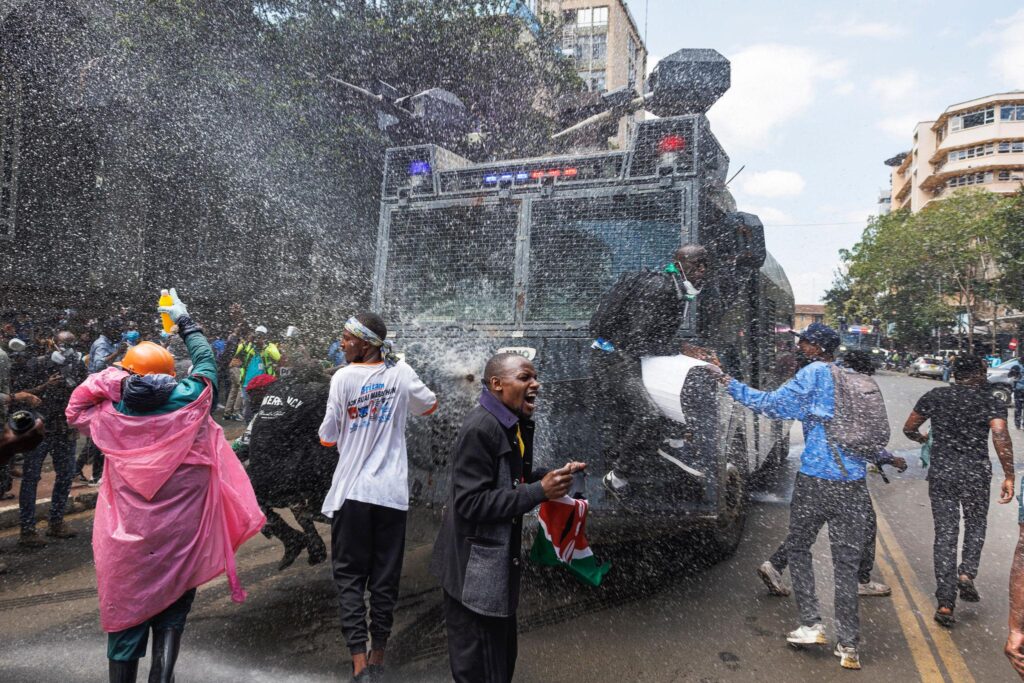
Now we arrive at the awkward chapter.
Every time peaceful protests begin, there is a predictable guest appearance.
Teargas.
At this point, teargas is practically a recurring character in Kenyan public life.
Yet every time excessive force is used against peaceful demonstrators, it raises a difficult question:
Who are the police supposed to serve?
The police exist to protect citizens, maintain order, and uphold constitutional rights. Peaceful assembly is one of those rights.
When citizens exercising those rights are met with unnecessary force, it undermines public trust.
The relationship between wananchi and law enforcement should not resemble a rivalry match.
Both groups ultimately want a peaceful, stable Kenya.
The badge should symbolize protection, not fear.
Then Come the Mysterious “Goons”
Just when a peaceful demonstration is gaining momentum, another familiar phenomenon appears.
The goons.
Nobody knows where they came from.
Nobody knows who invited them.
Nobody knows why they suddenly appear exactly when property needs vandalizing.
These individuals have become one of the greatest threats to legitimate protests.
While peaceful demonstrators advocate for change, goons create chaos.
While protesters carry placards, goons carry destruction.
While wananchi seek accountability, goons provide an excuse for the real issues to be ignored.
The result is that hardworking business owners suffer losses, communities experience fear, and the true message of the demonstrations gets overshadowed.
There is nothing revolutionary about destroying a fellow Kenyan’s livelihood.
That is not activism.
That is simply criminality.
Building a Better Protest Culture
Kenya is writing a new chapter in its democratic journey.
The right to peacefully protest should be protected and respected.
Law enforcement should facilitate lawful demonstrations professionally and with restraint.
Criminal elements who infiltrate protests should be isolated and dealt with according to the law.
Most importantly, citizens should continue showing that civic engagement matters.
The fact that Kenyans are willing to participate in national conversations is a sign of a society that is alive, aware, and engaged.
The Future Belongs to Active Citizens
Kenya’s story has always been written by ordinary people doing extraordinary things.
The farmer in Eldoret.
The mama mboga in Gikomba.
The software developer in Nairobi.
The student in Kisumu.
The entrepreneur in Mombasa.
The protester holding a handwritten placard.
All of them are Kenya.
If maandamano continues to evolve as a peaceful avenue for civic participation, then it can become one of the strongest pillars of our democracy.
Because ultimately, a nation does not become great when its citizens remain silent.
A nation becomes great when its citizens care enough to speak.
And if there is one thing Kenyans have proven repeatedly, it is this:
We care deeply about our country.
If interested to read about human rights, find resources here